Polynucleotides
If your skin is looking tired, dehydrated or less resilient than it once did, Polynucleotides offer a regenerative approach to improving skin quality from within.
At Woodford Medical Cambridge we use Polynucleotide treatments to support the skin's natural repair processes, helping to improve hydration, elasticity, texture and overall skin health. Rather than adding volume or changing the shape of your face, Polynucleotides work with your skin to encourage a fresher, healthier and more youthful appearance.
What are Polynucleotides?
Polynucleotides are naturally derived biological molecules made from purified DNA fragments. When introduced into the skin, they help create an environment that supports cellular repair and regeneration.
One of their key benefits is their ability to stimulate fibroblast activity, encouraging the production of collagen and elastin. This can gradually improve the strength, firmness and elasticity of the skin while also supporting hydration and skin renewal.
What can Polynucleotides help with?
A course of Polynucleotide treatment may help to improve:
- Fine lines and early signs of ageing
- Dehydrated or dull-looking skin
- Loss of elasticity and firmness
- Uneven skin texture
- Crepey or delicate skin
- The appearance of the under-eye area
- Skin affected by environmental damage
- The overall quality and resilience of the skin
Where can Polynucleotides be used?
Polynucleotide treatments can be tailored to different areas depending on your individual concerns. At Woodford Medical Cambridge, they may be considered for:
- Under the eyes
- The full face
- Forehead and areas affected by fine lines
- Around the mouth
- Neck
- Décolletage
- Hands
- Selected areas of scarring or compromised skin
The under-eye area is particularly suited to Polynucleotide treatment because the skin here is delicate and can show signs of ageing, dehydration and tiredness relatively early.
What happens during Polynucleotide treatment?
Your treatment begins with a consultation with Dr Allan or Nurse Becky so that your skin can be assessed and the most appropriate treatment plan discussed with you.
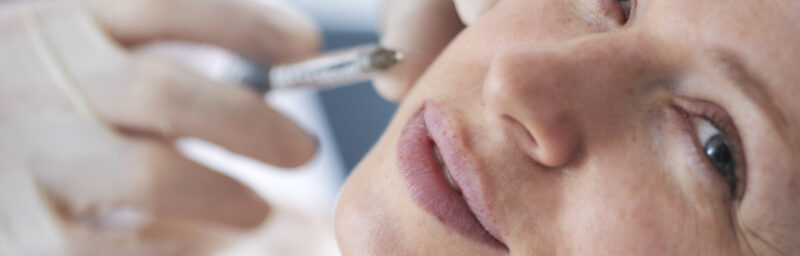
A topical anaesthetic may be used to make the procedure as comfortable as possible. The Polynucleotide product is then introduced into carefully selected areas of the skin using a series of precise injections.
Rather than producing an immediate change in facial shape, the treatment works progressively. As the skin's natural regenerative processes are supported, improvements in hydration, texture and firmness develop over time.
How many treatments will I need?
Your recommended treatment programme will depend on your skin and the area being treated. A course of treatments is generally recommended to achieve the best overall improvement, followed by maintenance treatments where appropriate. Your Woodford Medical Cambridge practitioner will discuss the expected timeline with you during your consultation.
Is there any downtime?
Polynucleotides are minimally invasive and generally involve relatively little downtime. Small raised areas, redness, swelling or minor bruising can occur following treatment, particularly at the injection sites.
These effects are temporary and settle quickly. You will be given individual aftercare advice following your treatment.
Polynucleotides at Woodford Medical Cambridge
At Woodford Medical Cambridge, our approach is centred on achieving natural-looking improvements while maintaining the individuality of your face.
Dr Hilary Allan and the Cambridge team take the time to understand your skin concerns before recommending treatment. Polynucleotides may also form part of a wider skin rejuvenation plan alongside other injectable treatments, advanced skincare or energy-based treatments where appropriate.
If you would like to find out whether Polynucleotides are suitable for your skin, arrange a consultation with our team at Woodford Medical Cambridge.
This site is protected by reCAPTCHA and the Google Privacy Policy and Terms of Service apply.
Pricing
Polynucleotides from
£295.00